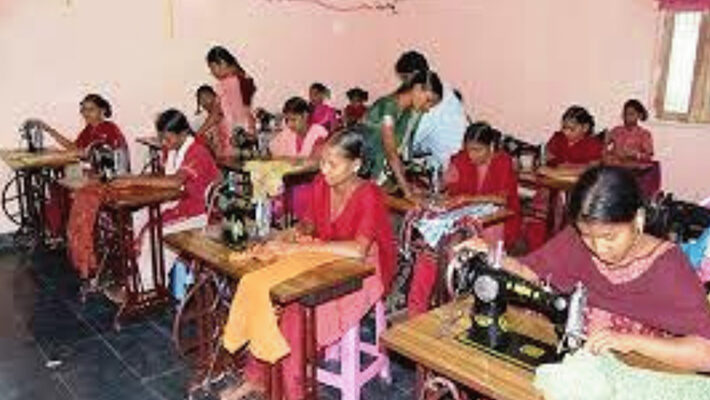
Vocational training can play an important role in helping individuals develop practical skills, improve their employability, and work toward financial independence. For people from underserved communities, access to skill-based education can create valuable opportunities for personal and professional growth.
Unlike traditional academic education, vocational training focuses on practical knowledge and job-related skills. Courses in areas such as tailoring, computer skills, electrical work, handicrafts, beauty services, food preparation, and other trades can help individuals develop abilities that may be useful in local employment or self-employment.
NGOs can help make vocational training more accessible by identifying community needs, organizing skill-development programs, and connecting participants with suitable opportunities. Such initiatives can be especially valuable for young people, women, and individuals who have limited access to formal employment.
SPMN NGO supports community development through initiatives that encourage education, vocational training, and empowerment. By helping individuals gain practical skills, these programs can contribute to stronger families and more resilient communities.
The impact of vocational training goes beyond learning a particular skill. It can build confidence, encourage independence, and inspire individuals to explore new possibilities. When people have the right skills and opportunities, they can contribute more actively to their families and communities.
Sustainable development begins when people are given opportunities to learn, grow, and become self-reliant. Through vocational training and continued community support, NGOs can help transform skills into meaningful opportunities and create pathways toward a brighter future.
Comments are closed.